Why South Korea's Underground Shopping Cities Generate $2.3 Billion Annually
Marcus Chen
02/16/2026
4 min read
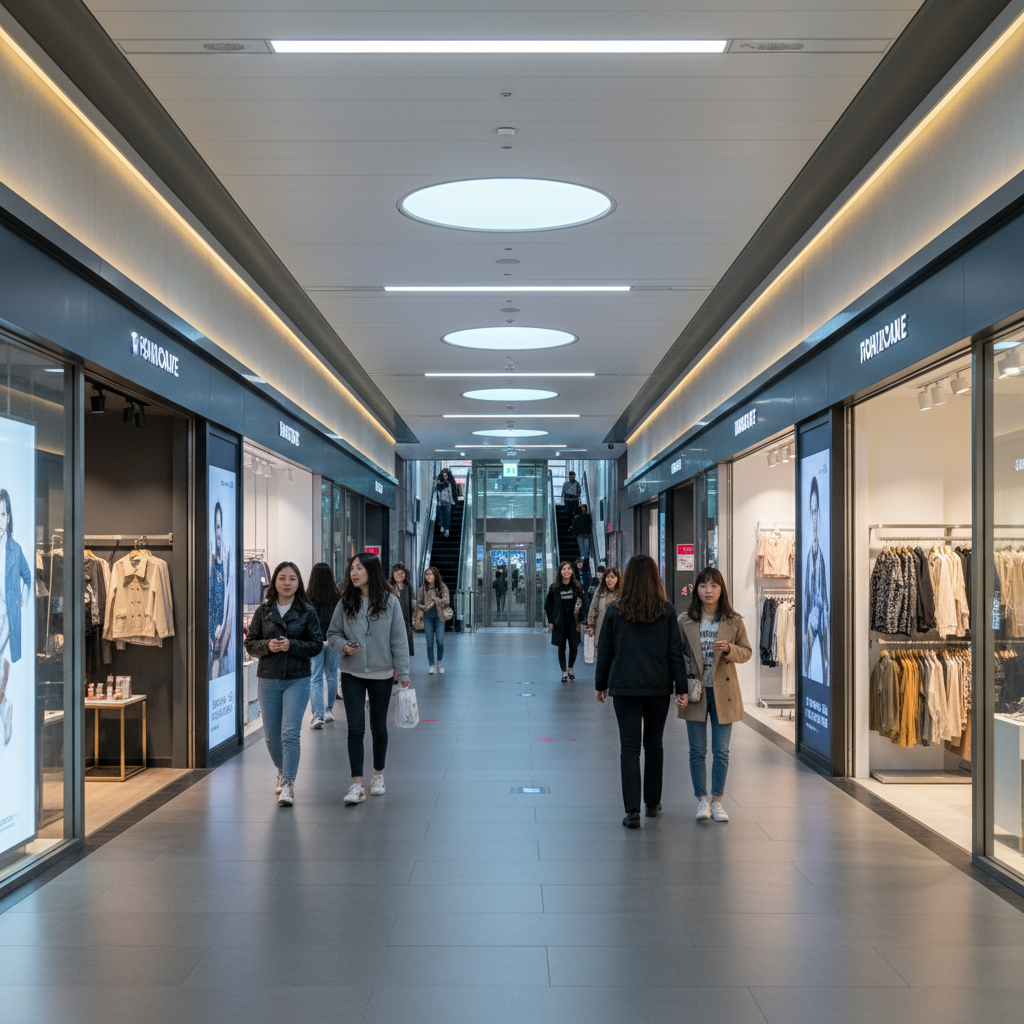
Seoul's Gangnam Station underground shopping center processes 2.7 million shoppers weekly, generating more revenue per square foot than most above-ground malls in Manhattan. This isn't an accident.
South Korea has perfected something most countries struggle with: making underground retail spaces feel welcoming rather than claustrophobic. Their network of subterranean shopping districts pulls in $2.3 billion annually, according to the [Korea Shopping Center Council](https://www.kscc.or.kr), and travelers are catching on fast.
The Numbers That Make Underground Shopping Work
Most people assume underground shopping feels cramped and depressing. South Korea proves this wrong through smart design and serious foot traffic.
Seoul's COEX Mall sits entirely underground yet spans 1.2 million square feet. It connects directly to Samseong Station on Line 2, meaning shoppers never need to step outside. The result? Over 120,000 daily visitors who spend an average of 47 minutes browsing, compared to 31 minutes at typical above-ground malls.
The Myeongdong Underground Shopping Center stretches for 620 meters beneath one of Seoul's busiest districts. Rent here costs 40% less than street-level shops, but sales volume often exceeds surface stores because of consistent weather protection and subway connections.
Why Weather Creates Shopping Goldmines
Seoul experiences temperature swings from -10°C in January to 35°C in August, with a monsoon season that dumps serious rain. Underground shopping removes weather as a variable entirely.
Busan's Seomyeon Underground Shopping Street sees its highest traffic during typhoon season and winter months when above-ground shopping becomes miserable. Store owners report revenue spikes of 60-80% during severe weather periods, according to data from the [Busan Metropolitan City government](https://www.busan.go.kr).
This creates a counterintuitive situation: bad weather above ground means better business below ground.
The Subway Connection Strategy
Every major underground shopping district in South Korea connects directly to subway stations. This isn't coincidental design.
The Seoul Metropolitan Rapid Transit Corporation reports that stations with underground shopping complexes see 23% higher ridership than those without retail connections. Commuters become shoppers without planning to shop.
Gangnam Station's underground area connects four different subway lines with 200+ shops. Travelers transferring between trains walk past clothing stores, cosmetics shops, and food courts. The average transfer time increases from 3 minutes to 12 minutes when shopping options are present.
What Travelers Actually Buy Underground
South Korean underground shopping centers stock different merchandise than typical tourist areas, and the prices reflect local rather than tourist economics.
Cosmetics dominate these spaces. Korean beauty brands like Innisfree and The Face Shop operate underground locations with 20-30% lower prices than their street-level tourist district stores. A sheet mask that costs 3,000 won ($2.30) in Myeongdong's tourist area sells for 2,000 won ($1.50) in the underground shops.
Clothing focuses on practical items rather than high fashion. You'll find quality winter jackets, comfortable walking shoes, and weather-resistant bags. The selection targets commuters and locals, not tourists hunting for luxury goods.
Food courts in underground shopping areas serve working professionals, so portions are larger and prices stay reasonable. A full meal costs 6,000-8,000 won ($4.50-6.00) compared to 12,000-15,000 won ($9-11) in above-ground tourist restaurants.
The Design Secrets That Make Underground Feel Open
South Korean architects use specific techniques to combat the claustrophobic feeling of underground retail.
Ceiling heights in major underground shopping areas measure 4-6 meters, much higher than the standard 2.7 meters in most underground spaces. This creates an airy feeling despite being below street level.
Lighting comes from full-spectrum LED systems that mimic natural daylight. The COEX Mall updates its lighting color temperature throughout the day, starting with warm morning tones and shifting to cooler afternoon light.
Wide corridors matter more than individual store size. Main walkways span 6-8 meters across, allowing crowds to move without feeling pressed together. Side corridors narrow to 3-4 meters, creating intimate shopping zones while maintaining traffic flow.
Peak Shopping Times Underground
Underground shopping centers operate on different schedules than surface retail.
Morning rush hour (7-9 AM) brings steady business as commuters grab coffee and quick purchases. Lunch periods (11:30 AM-1:30 PM) see the heaviest traffic when office workers have limited time to shop efficiently.
Evening hours extend later underground because weather doesn't affect closing times. Most underground shops stay open until 10-11 PM, while surface stores often close by 9 PM during winter months.
Weekend patterns flip compared to above-ground shopping. Saturday mornings are quiet underground because families prefer outdoor activities when weather permits. Sunday evenings surge as people prepare for the work week ahead.
How to Shop Underground Like a Local
Start with the subway map, not tourist guides. Underground shopping districts appear as small building symbols connected to major subway interchanges. These areas offer better prices and selection than tourist-focused shopping streets.
Bring cash for smaller purchases. While credit cards work everywhere, vendors often provide small discounts for cash payments, especially on items under 20,000 won ($15).
Visit during lunch hours for the full experience. Underground food courts showcase local office culture and offer filling meals at local prices rather than tourist premiums.
The next time you're in Seoul, skip the crowded surface streets of Myeongdong during your first shopping trip. Head underground first to understand what locals actually buy and pay, then compare those prices to tourist district shops. You'll quickly see why underground shopping generates billions in revenue while most travelers never discover it.
More Trending Articles
Why Singapore's Shopping Malls Generate More Revenue Per Square Foot Than Any City on Earth
Michael Thompson
02/16/2026
The $127 Secret: How Shopping in Airport Duty-Free Stores Actually Costs You More Than Downtown
Jennifer Walsh
02/16/2026