Why Singapore's Shopping Malls Generate More Revenue Per Square Foot Than Any City on Earth
Michael Thompson
02/16/2026
5 min read
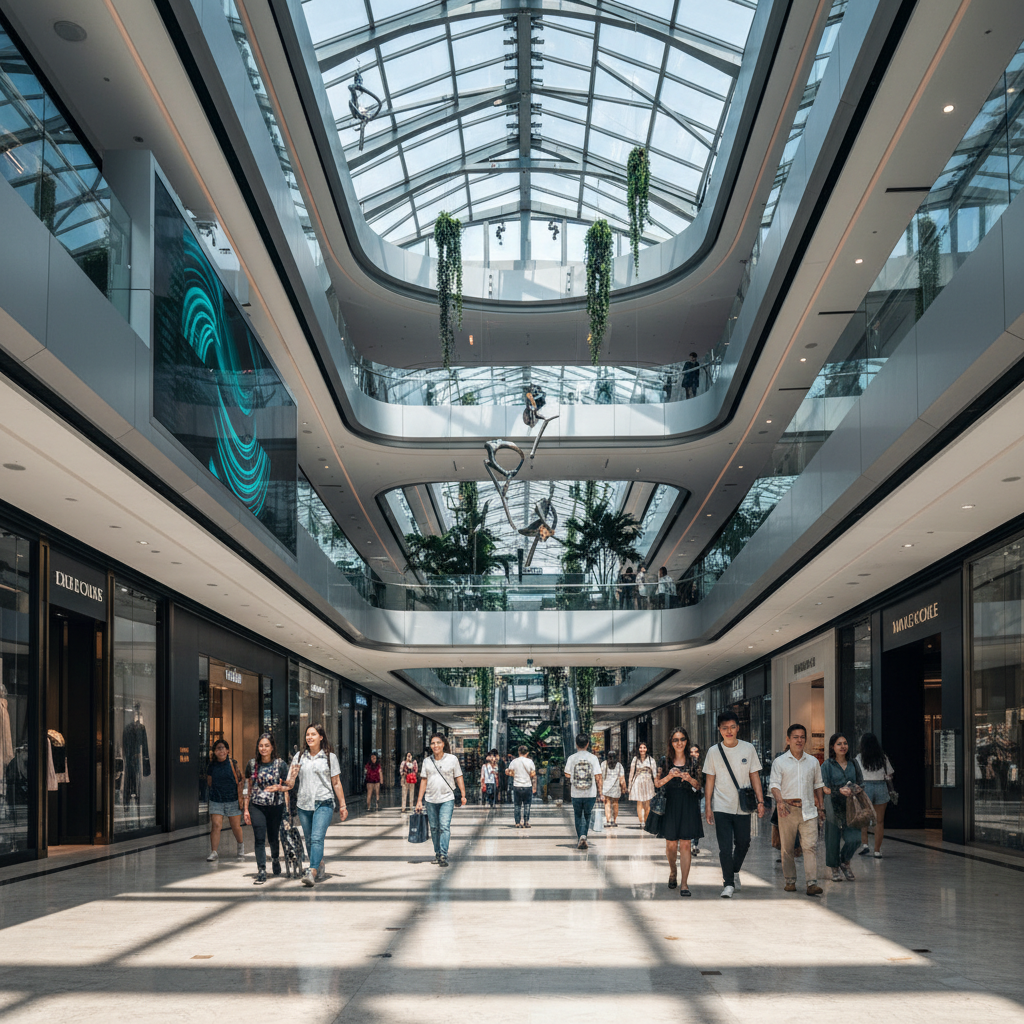
Singapore's Orchard Road shopping district pulls in $1,200 per square foot annually - nearly double what Manhattan's Fifth Avenue generates. This isn't an accident.
The city-state has engineered a shopping ecosystem that turns every tourist dollar into maximum economic impact, creating a template that other destinations try desperately to copy. But here's what most people miss: Singapore's success comes from treating shopping as infrastructure, not entertainment.
The Numbers That Tell the Real Story
According to the Singapore Tourism Board's 2023 visitor expenditure survey, international tourists spend an average of $1,340 per person during their stay, with 78% of that going toward retail purchases. Compare this to Paris, where tourists spend roughly $890 per person with only 45% on shopping.
The difference isn't just cultural. Singapore has systematically removed every friction point from the shopping experience.
ION Orchard, opened in 2009, processes over 100,000 visitors daily and maintains a 98% occupancy rate across its 335 retail units. The mall's design includes underground connections to three MRT stations, eliminating weather concerns in a tropical climate. More importantly, it houses the city's largest tourist refund counter, processing over $2 billion in GST refunds annually.
Why Climate Control Changed Everything
Here's the contrarian truth: Singapore's shopping dominance has less to do with luxury brands and more to do with air conditioning.
Before widespread mall development in the 1980s, Singapore's retail scene was fragmented across shophouses and street markets. The introduction of climate-controlled mega-malls didn't just provide comfort - it extended shopping hours and created predictable environments where international retailers could maintain consistent brand experiences.
Vivocity, Southeast Asia's largest shopping mall, stays at exactly 22°C year-round. This might seem trivial until you realize that maintaining this temperature requires the same energy consumption as 2,000 homes. But the economic return justifies the cost: the mall generates $450 million in annual retail sales from just 99,000 square meters of space.
The Tax Refund System That Actually Works
Most countries offer tourist tax refunds. Singapore makes them effortless.
The Electronic Tourist Refund Scheme (eTRS) processes refunds in under 60 seconds at Changi Airport. Tourists scan their passport, confirm purchases digitally, and receive cash or credit card refunds immediately. The system handled 2.1 million transactions worth $3.2 billion in 2023, according to Singapore Customs data.
Contrast this with Europe's VAT refund process, where tourists often wait weeks for refunds and face rejection rates above 20%. Singapore's rejection rate sits below 3%.
This efficiency isn't accidental. The government views tax refunds as marketing expenses, not administrative burdens. Every smooth refund experience encourages repeat visits and positive word-of-mouth.
Integrated Transport Makes Shopping Inevitable
Singapore's MRT system connects directly to 47 major shopping centers. This isn't coincidental urban planning - it's economic strategy.
The Land Transport Authority's 2022 ridership data shows that 34% of all MRT trips include a stop at a shopping destination. Tourists can travel from Changi Airport to Orchard Road's shopping district in 45 minutes without seeing sunlight, moving through climate-controlled walkways that connect six major malls.
Bugis Junction exemplifies this integration. Built directly over an MRT interchange, the mall captures foot traffic from three train lines plus two bus interchanges. Daily visitor counts exceed 80,000, with peak hours aligning perfectly with train schedules.
The Surprising Role of Food Courts
Singapore's hawker centers and mall food courts aren't just dining options - they're shopping retention tools.
Research by the National University of Singapore found that shopping centers with diverse food options keep visitors 67% longer than those focused purely on retail. Food courts serve as rest points that prevent shopping fatigue, the phenomenon where consumers make fewer purchases after extended browsing.
Takashimaya's food court on Orchard Road seats 1,200 people and operates from 10 AM to 10 PM. The mall's management tracks visitor flow and found that shoppers who eat on-site spend 43% more than those who leave for meals. Food becomes an anchor that prevents retail leakage to competitors.
Currency Strategy Hidden in Plain Sight
Singapore benefits from a unique monetary position that most shoppers don't recognize.
The Singapore dollar has appreciated 23% against the US dollar over the past decade while remaining stable against regional Asian currencies. This means American and European tourists get strong purchasing power, while visitors from Malaysia, Indonesia, and Thailand don't face prohibitive exchange rates.
The Monetary Authority of Singapore maintains this balance deliberately, viewing currency stability as tourism infrastructure. Luxury retailers like Hermès and Cartier set their Singapore prices based on this predictability, often offering better deals than Hong Kong or Tokyo.
What Other Cities Get Wrong
Dubai spent $20 billion building the Dubai Mall, creating the world's largest shopping center by total area. But revenue per square foot lags behind Singapore's smaller centers because Dubai prioritized spectacle over efficiency.
Singapore's approach focuses on turnover rather than size. The average store lease in Marina Bay Sands' shopping center costs $85 per square foot monthly - among the world's highest. But retailers pay willingly because sales volumes justify the expense. Tenant turnover rates stay below 8% annually, indicating sustainable profitability.
The Digital Integration Advantage
Singapore's shopping centers pioneered digital payment integration before it became trendy elsewhere.
All major malls accept contactless payments, mobile wallets, and cryptocurrency transactions. The GrabPay system, used by 87% of Singapore residents, offers tourist-specific promotions that trigger location-based discounts when visitors enter participating stores.
Wisma Atria's smart shopping system tracks visitor preferences through WiFi analytics (with consent) and sends personalized offers to mobile devices. The mall reports that targeted promotions increase per-visitor spending by 28% compared to generic advertising.
The Bottom Line for Smart Shoppers
Singapore didn't become a shopping destination by accident. Every element, from air conditioning to currency policy, supports a single goal: removing barriers between tourists and purchases.
If you're planning a shopping-focused trip, visit Singapore during the Great Singapore Sale (June-August) when government-sponsored promotions stack with retailer discounts. Book accommodations near MRT lines, and download the eTRS app before departure to streamline tax refunds.
The city proves that exceptional shopping experiences come from infrastructure investments, not just luxury inventory. Other destinations offer better prices or unique products, but none match Singapore's systematic approach to retail efficiency.
More Trending Articles
The $127 Secret: How Shopping in Airport Duty-Free Stores Actually Costs You More Than Downtown
Jennifer Walsh
02/16/2026