Why Japanese Hot Springs Are the World's Best-Kept Wellness Secret for Travelers
Emily Rodriguez
02/16/2026
4 min read
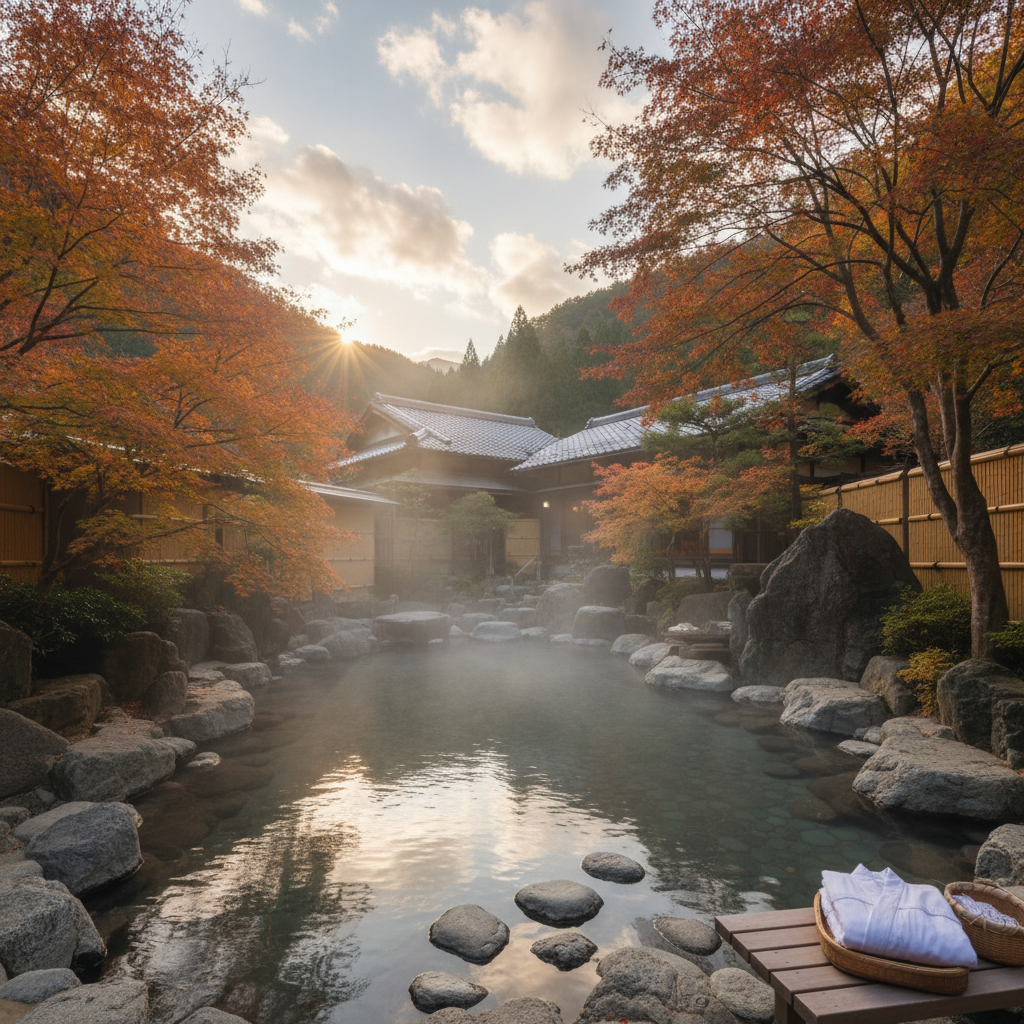
A 2019 study published in the journal Scientific Reports found that regular hot spring bathing reduced cardiovascular disease risk by 28% among 30,000 Japanese adults tracked over two decades. That's not just relaxation - that's medicine you can soak in.
The Science Behind Japan's 3,000-Year-Old Health Practice
Japanese hot springs, called onsen, aren't just tourist attractions. They're natural pharmacies bubbling up from the earth. The mineral content varies dramatically by location, but most contain sulfur, calcium, magnesium, and trace amounts of lithium - elements that your skin absorbs during a 15-minute soak.
Dr. Eisuke Amiya from the University of Tokyo's cardiovascular research team explains that the heat causes blood vessels to expand, dropping blood pressure by an average of 10-15 points temporarily. The minerals, particularly sulfur compounds, have anti-inflammatory effects that penetrate through skin barrier.
But here's what most travel guides won't tell you: the biggest health benefits come from the temperature shock, not just the minerals.
Why Hotter Isn't Always Better (Despite What Locals Say)
Most Japanese onsen maintain temperatures between 104-113°F (40-45°C). Locals often pride themselves on tolerating the hottest pools, but research from Kyushu University shows the sweet spot for health benefits sits at 104-107°F.
Stay in water above 110°F for more than 10 minutes and you'll stress your cardiovascular system rather than help it. Your heart rate can spike to 120+ beats per minute - equivalent to moderate exercise but without the conditioning benefits.
I recommend starting with cooler pools and working up. Your blood pressure and cortisol levels will thank you.
The Real Destinations That Deliver Medical-Grade Results
Kusatsu Onsen, Gunma Prefecture
Kusatsu's springs contain the highest sulfur concentration in Japan - 1,000mg per liter according to Japan's Ministry of Health analysis. The sulfur levels here actually treat skin conditions like eczema and psoriasis. Local dermatologists regularly send patients here for two-week treatment courses.
The town pumps 32,000 liters of spring water per minute, ensuring you're soaking in fresh, mineral-rich water, not recycled bathwater.
Noboribetsu Onsen, Hokkaido
This volcanic region produces nine different types of mineral water from a single source. The iron-rich red springs here contain 20mg of iron per liter - enough to help with mild anemia when absorbed through skin during repeated visits.
A week-long stay here can raise your hemoglobin levels by 0.5-1 g/dL, according to tracking studies done by Sapporo Medical University.
Beppu Onsen, Oita Prefecture
Beppu isn't just famous for volume (it produces more hot spring water than anywhere else in Japan). The lithium content in select springs reaches 5mg per liter. While you shouldn't skip your prescribed medications, this natural lithium exposure may help stabilize mood - something researchers at Oita University are actively studying.
What the Wellness Industry Gets Wrong About Onsen
Most Western spas trying to replicate the onsen experience focus on ambiance and aesthetics. They miss the point entirely.
Real onsen benefits come from consistency and proper technique, not fancy wooden tubs or zen music. Japanese researchers found that people who bathed in hot springs 2-3 times per week for at least six months showed significant improvements in arterial flexibility compared to once-weekly bathers.
The key isn't the single magical soak. It's building a routine.
How to Maximize Health Benefits During Your Visit
Timing matters more than duration. Soak for 10-15 minutes, exit for 5 minutes of cool-down, then repeat. This creates the temperature cycling that triggers the strongest cardiovascular response.
Morning beats evening for blood pressure benefits. Cortisol levels are naturally higher in the morning, and hot spring bathing can help regulate this daily rhythm.
Drink water before and after, but not during. Dehydration amplifies the blood pressure-lowering effects dangerously. Aim for 16 ounces before your first soak.
Skip the alcohol afterwards. I know, I know - sake and onsen seem to go together. But alcohol compounds the blood vessel dilation effects, sometimes causing dangerous drops in blood pressure.
The Surprising Mental Health Connection
Here's something that might surprise you: the mental health benefits of onsen bathing may outweigh the physical ones. A 2020 study in the Journal of Japanese Society of Balneology, Climatology and Physical Medicine found that regular hot spring bathing reduced depression scores by 40% over three months.
The mechanism isn't just relaxation. The mineral absorption affects neurotransmitter production, particularly serotonin and dopamine. Plus, the social aspect of communal bathing (once you get over the initial awkwardness) builds connections that combat isolation.
Planning Your Therapeutic Onsen Trip
Book accommodations at traditional ryokan inns that have their own onsen sources rather than day-visit facilities. You'll get better water quality and more flexibility for multiple daily soaks.
Stay minimum four nights to see measurable health changes. Seven nights is better.
Bring a blood pressure monitor if you have cardiovascular concerns. Track your readings before and after each soak to find your optimal temperature and timing.
The next time someone dismisses hot spring bathing as just another tourist activity, remind them that 30,000 people and two decades of research suggest otherwise. Your next vacation might just be the healthiest decision you make all year.
More Trending Articles


Why Singapore's Shopping Malls Generate More Revenue Per Square Foot Than Any City on Earth
Michael Thompson
02/16/2026

The $127 Secret: How Shopping in Airport Duty-Free Stores Actually Costs You More Than Downtown
Jennifer Walsh
02/16/2026