The Hidden Amazon Price War: How Third-Party Sellers Are Secretly Undercutting Everything
Jennifer Walsh
02/16/2026
4 min read
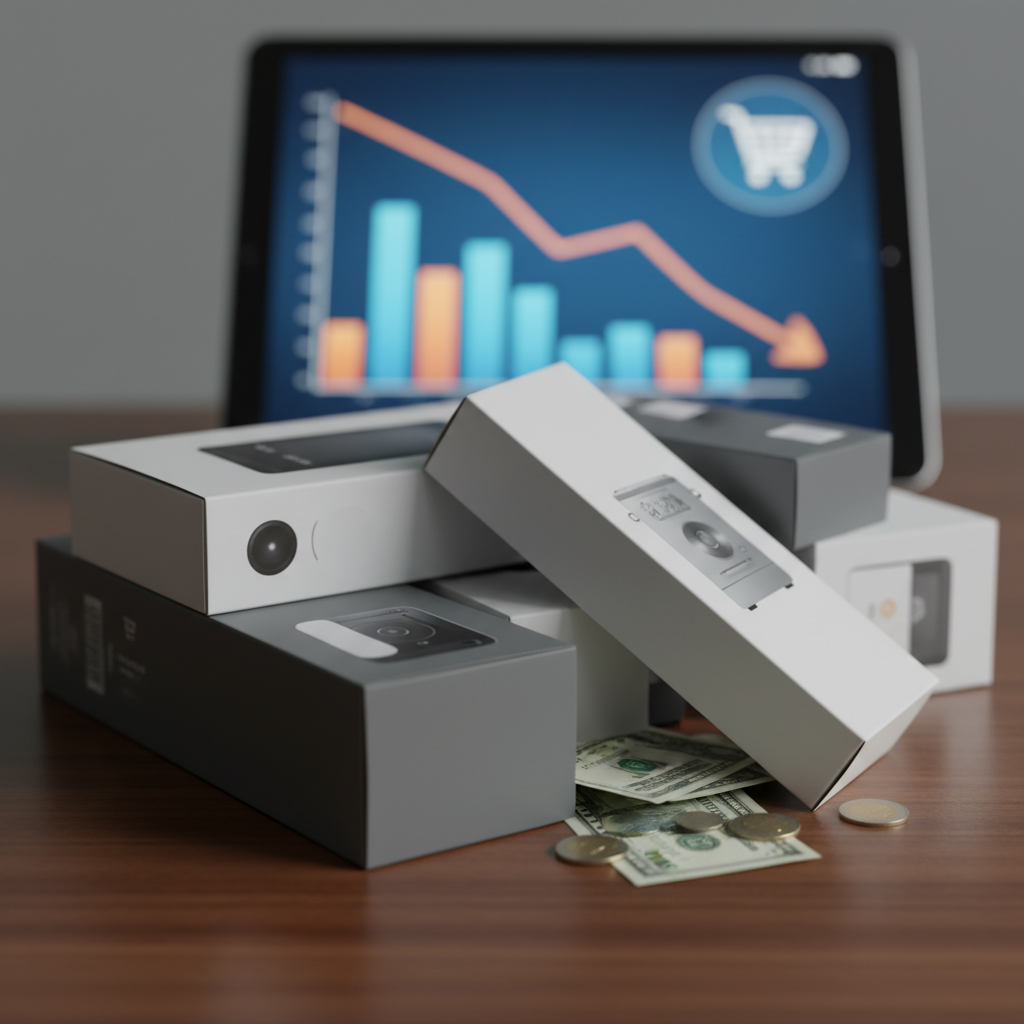
Amazon's own inventory accounts for less than 50% of items sold on the platform, according to [Marketplace Pulse](https://www.marketplacepulse.com/). The rest? Third-party sellers locked in an invisible price war that savvy shoppers can exploit for incredible savings.
Most people think Amazon controls all the pricing on its site. That's completely wrong, and this misconception costs shoppers hundreds of dollars every year.
The Real Amazon Isn't Amazon at All
Here's what Amazon doesn't want you to focus on: millions of independent sellers compete viciously for the "Buy Box" - that little button you click to add items to your cart. These sellers often slash prices below Amazon's own retail prices just to win your click.
Take the Instant Pot Duo 7-in-1. Amazon's retail price sits at $79.99, but I found the same model from seller "Kitchen Deals Pro" for $62.99 with identical shipping and return policies. Same product, same warehouse fulfillment, $17 less.
The [Federal Trade Commission](https://www.ftc.gov/news-events/news/press-releases/2021/07/ftc-ramps-enforcement-against-illegal-dark-patterns-trick-users-handing-over-personal-data-money) reported that many consumers don't even realize they're buying from third-party sellers, missing out on these competitive prices entirely.
Why Third-Party Sellers Beat Amazon's Prices
Third-party sellers operate with different cost structures than Amazon's retail division. They don't carry inventory risk the same way. They don't have the same overhead.
This creates pricing flexibility that Amazon's retail arm can't match. When Amazon retail sets a price at $100, a third-party seller might offer the identical item for $87 because their profit margins work differently.
The crazy part? Amazon makes money either way through fulfillment fees and commissions. They have zero incentive to highlight these better deals.
The Five-Minute Seller Sweep Strategy
Before buying anything over $25 on Amazon, spend five minutes checking all seller options. Don't just grab the default choice.
Scroll down to "Other sellers" or "New & used" options. Look for sellers marked "Fulfilled by Amazon" - these ship from Amazon's warehouses with the same speed and return policies as Amazon retail, but often at lower prices.
Check the seller's rating. Anyone above 95% with over 1,000 reviews is typically reliable. Avoid brand-new sellers with zero feedback, even if their prices look tempting.
Read the fine print on shipping. Some sellers offer "free" shipping that's actually built into inflated product prices. Others charge $4.99 shipping but have product prices $12 lower than competitors.
The Return Policy Reality Check
Here's where many deal hunters mess up: assuming all third-party sellers have terrible return policies.
Sellers using "Fulfilled by Amazon" follow Amazon's standard return policy. You get the same 30-day returns, same customer service, same refund processing. The only difference is the price - which is often lower.
Direct-ship sellers (those handling their own shipping) vary wildly. Some offer generous 60-day returns. Others require you to pay return shipping. Always check before buying.
The Brand Restriction Loophole
Many popular brands like Nike, Apple, and Sony restrict which sellers can offer their products on Amazon. This creates artificial scarcity that keeps prices high.
But here's the secret: authorized third-party sellers still compete with each other. Even within these restrictions, you'll find price variations of 5-15% between different approved sellers.
For the iPhone 14 Pro Max 256GB, I found price differences of up to $47 between different authorized sellers on the same day. All offered identical warranties and return policies through Amazon's fulfillment network.
When Amazon Retail Actually Wins
Amazon's retail division does beat third-party sellers in specific situations. Their private label products (AmazonBasics, Solimo, etc.) are almost always cheapest when sold directly by Amazon.
During major sale events like Prime Day, Amazon retail often matches or beats third-party pricing temporarily. But these sales last 24-48 hours, while third-party competitive pricing runs year-round.
Lightning Deals and daily deals typically feature Amazon retail inventory at genuinely discounted prices. These are legitimate sales, not marketing tricks.
The Mobile App Blind Spot
Amazon's mobile app deliberately makes it harder to comparison shop between sellers. The interface pushes you toward the default Buy Box winner without showing price alternatives clearly.
Switch to desktop or mobile browser for major purchases. The seller comparison tools work better, and you can see pricing options side-by-side more easily.
This isn't an accident. [Consumer Reports](https://www.consumerreports.org/shopping/online-shopping/how-to-shop-smart-on-amazon/) found that mobile users are 23% more likely to accept default pricing without comparison shopping.
Track Seller Price Patterns
Third-party sellers change prices more frequently than Amazon retail - sometimes multiple times per day. This creates opportunities if you're willing to wait.
Tools like CamelCamelCamel track Amazon retail prices but miss many third-party seller fluctuations. For big purchases, check back over several days to spot pricing patterns.
Sellers often drop prices on Tuesdays and Wednesdays when competition for visibility peaks. Fridays and weekends see higher prices as casual browsers are less price-sensitive.
Your Next Amazon Purchase Strategy
Next time you're about to buy something on Amazon, pause before clicking "Add to Cart." Spend those extra five minutes checking seller alternatives. Look for the "Fulfilled by Amazon" badge on cheaper options. Verify the return policy matches your needs.
The price difference might surprise you - and your wallet will definitely thank you.
More Trending Articles
Why Singapore's Shopping Malls Generate More Revenue Per Square Foot Than Any City on Earth
Michael Thompson
02/16/2026
The $127 Secret: How Shopping in Airport Duty-Free Stores Actually Costs You More Than Downtown
Jennifer Walsh
02/16/2026