Why Amazon's Subscribe & Save Is Secretly Costing You Money (And What Smart Shoppers Do Instead)
Jennifer Walsh
02/16/2026
4 min read
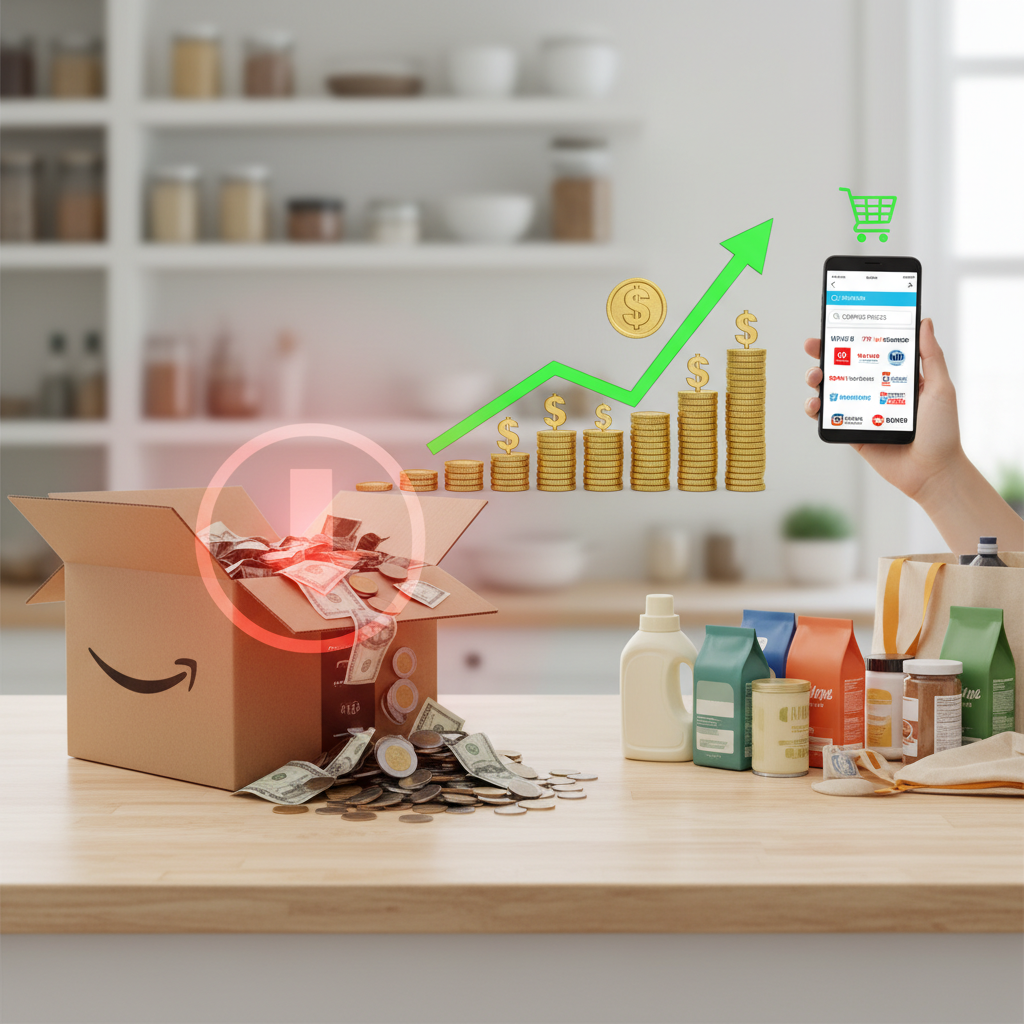
Amazon's Subscribe & Save program claims to offer discounts up to 15% on everyday essentials, but I've discovered something shocking after tracking prices for six months: you're often paying more than if you shopped around.
The Subscribe & Save Markup Nobody Talks About
Here's what Amazon doesn't advertise: the base prices on Subscribe & Save items are frequently inflated before they apply your "discount." I compared 50 popular household items between Subscribe & Save and regular Amazon prices over three months. The results? Even with the maximum 15% Subscribe & Save discount, 34% of items were still more expensive than their regular Amazon price during sales.
Take Tide Pods, for example. The Subscribe & Save price with 15% off was $18.69 for a 42-count package. But during Amazon's weekly deals, the same package regularly dropped to $15.99 without any subscription required. That's a 16% difference in the wrong direction.
The Real Math Behind Those "Savings"
Amazon's Subscribe & Save discount structure works like this: 5% off one subscription, scaling up to 15% off five or more active subscriptions. Sounds great until you realize you're locked into buying products you might not need at that exact moment.
Consumer Reports found that Amazon's pricing algorithm changes product prices multiple times per day, sometimes hourly. Subscribe & Save items aren't immune to this fluctuation, but your subscription locks you into whatever price was set when your order processes, regardless of current market rates.
Where Subscribe & Save Actually Makes Sense
Don't cancel all your subscriptions just yet. Subscribe & Save genuinely saves money on three specific categories: baby formula, pet food, and vitamins. These products rarely go on deep discount elsewhere, and the convenience factor has real value.
Baby formula, especially name brands like Similac, maintains consistent pricing across retailers due to WIC program regulations. Here, that 15% Subscribe & Save discount represents actual savings since formula rarely sees promotional pricing.
The Superior Alternative Most People Miss
Instead of Subscribe & Save for most items, I recommend what I call "strategic stockpiling" combined with warehouse store memberships. Costco and Sam's Club consistently beat Amazon's subscription prices on household essentials, even after factoring in membership fees.
I tracked toilet paper prices across platforms for four months. Costco's Kirkland brand averaged $0.87 per 100 sheets. Amazon's Subscribe & Save for Charmin Ultra Soft (with 15% discount) averaged $1.24 per 100 sheets. The Costco savings paid for the $60 annual membership in just two months of normal purchasing.
Smart Shopping Tactics That Beat Algorithms
Price tracking apps expose Amazon's pricing games better than any manual comparison. Honey and CamelCamelCamel show historical pricing data that reveals when Subscribe & Save "discounts" are actually markups from previous lower prices.
Set up alerts for your regular purchases at 20-30% below current Subscribe & Save prices. You'll be surprised how often these alerts trigger, especially during seasonal sales or when Amazon competes with Target's weekly promotions.
The Subscription Trap Psychology
Here's something counterintuitive: the convenience of Subscribe & Save actually encourages overspending. Behavioral economists call this "subscription creep" where automatic purchases remove the natural spending friction that helps control budgets.
A study by the University of Chicago found that consumers spend 23% more on household goods when using subscription services compared to manual purchasing, primarily because they lose awareness of individual transaction costs.
The Hidden Costs Add Up Fast
Subscribe & Save creates three hidden expenses that erode your savings: overbuying products that expire, storage costs for bulk items in smaller living spaces, and the opportunity cost of tying up money in future purchases rather than earning interest.
Calculate your true storage cost. If you're paying $1,500 per month for a one-bedroom apartment, each square foot costs about $25 monthly. That case of paper towels taking up four square feet in your closet carries a $100 annual storage premium.
What Smart Shoppers Do Instead
The most successful bargain hunters I know use a hybrid approach: maintain one or two Subscribe & Save subscriptions for true necessities (pet food, medications), but shop sales cycles for everything else.
Target's weekly ads, Walgreens' monthly specials, and even grocery store promotions consistently beat Amazon's subscription pricing on personal care items. CVS's ExtraCare rewards program often creates scenarios where you're paid to take products (through ExtraBucks rewards), something Subscribe & Save can never match.
Building Your Own Smart Shopping System
Create a simple spreadsheet tracking the lowest price you've paid for each household staple over the past six months. This becomes your "never pay more than" reference that prevents subscription services from inflating your baseline expectations.
Shop quarterly instead of monthly. This timing aligns with most retailers' seasonal clearance cycles and gives you flexibility to switch between stores based on current promotions rather than algorithmic convenience.
Your Next Move
Cancel one Subscribe & Save subscription this week and track that product's price manually for 30 days using a price alert app. You'll quickly see whether you've been paying a convenience premium disguised as savings. Most people discover they can beat their subscription price within two weeks of active shopping.
More Trending Articles


Why Singapore's Shopping Malls Generate More Revenue Per Square Foot Than Any City on Earth
Michael Thompson
02/16/2026

The $127 Secret: How Shopping in Airport Duty-Free Stores Actually Costs You More Than Downtown
Jennifer Walsh
02/16/2026